Vanishing points are fundamental to creating a sense of depth and perspective in photography. They are points on the image where parallel lines appear to converge. Imagine railroad tracks disappearing into the distance – the point where they meet is the vanishing point. Understanding how these points work is key to composing dynamic and engaging lifestyle images. By strategically placing.. Learn the secrets of vanishing point photography and discover how to create images that are full of depth, perspective, and visual interest.
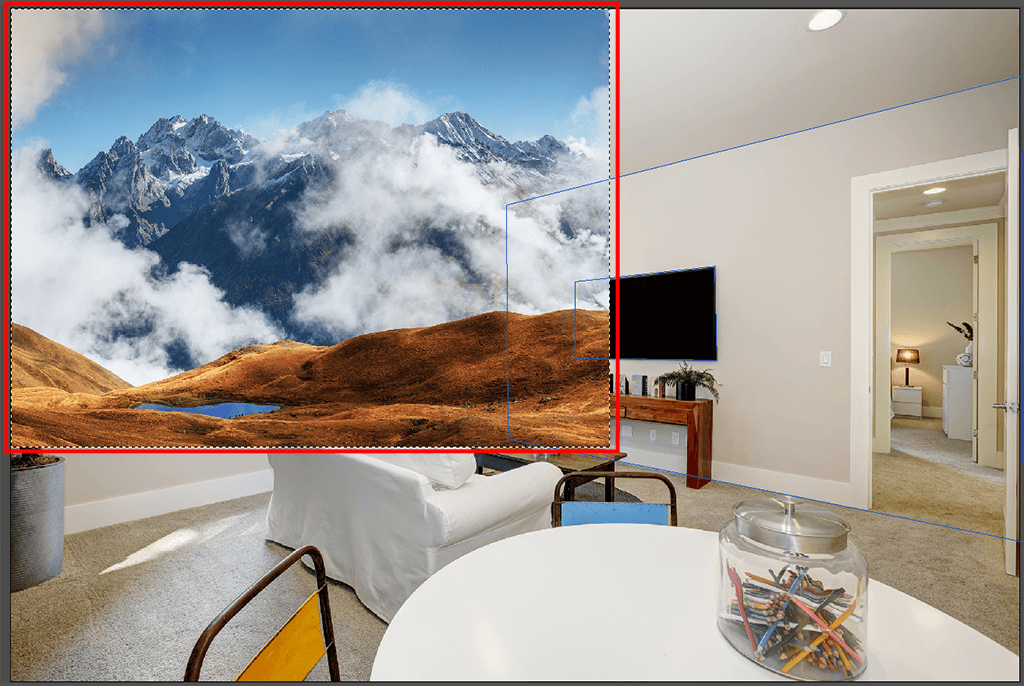
Using Vanishing Point in 12Steps Guide

Vanishing Point in The Essential Guide

Vanishing Point Galleries… Vanishing Point Galleries

vanishing point Vanishing point, Photography, Point

Vanishing Point in The Essential Guide

Vanishing Point Compact disc Ensemble Klang

17 SPECTACULAR EXAMPLES OF VANISHING POINT PHOTOS
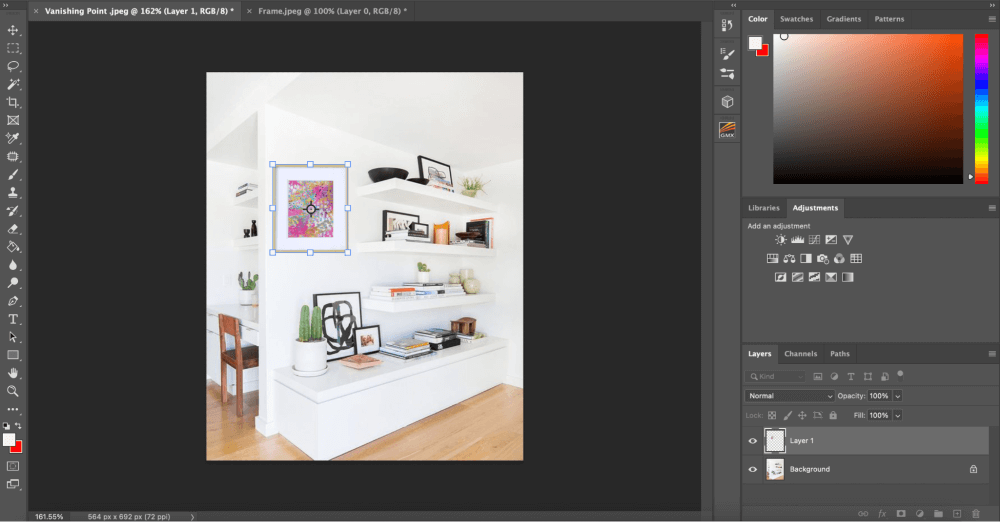
How to Use Vanishing Point & Perspective in
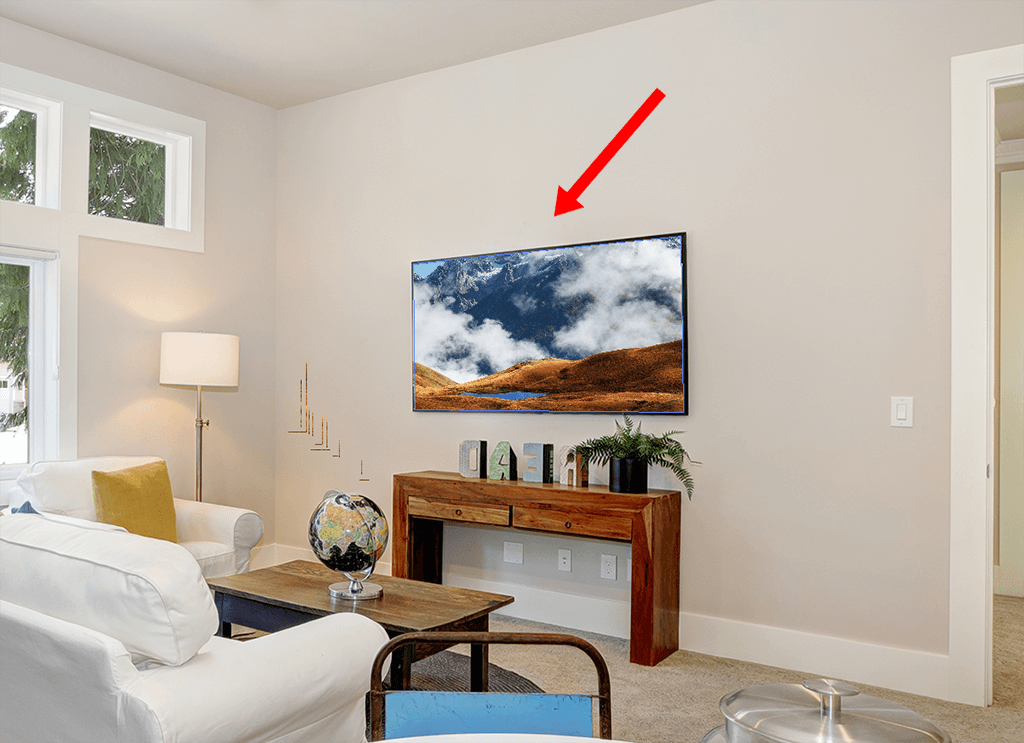
Using Vanishing Point in 12Steps Guide

Vanishing Point photography

Vanishing point fine art foggy Clifton Suspension Bridge print Sam
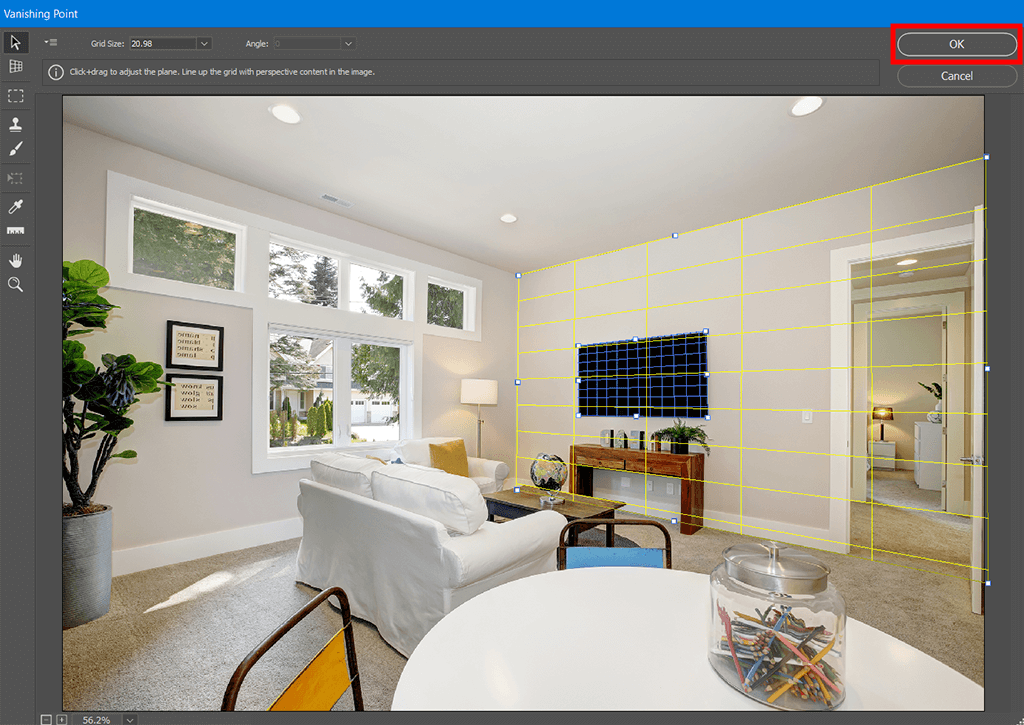
Using Vanishing Point in 12Steps Guide

Guide to Using Vanishing Point in Photography 42West, Adorama

Guide to Using Vanishing Point in Photography 42West, Adorama
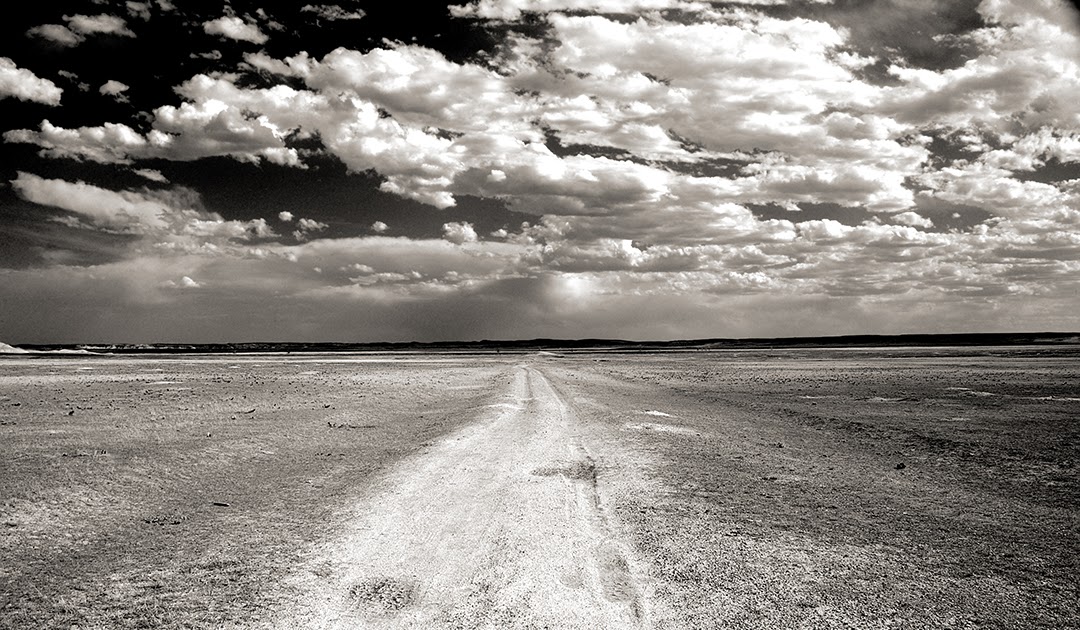
Steve Immel Photography Vanishing Point

Vanishing Point David Mayhew Photography

Vanishing Point Photography Gallery of Best Landscape Photos Prints

Vanishing Point Tom Bol Photography, LLC

17 SPECTACULAR EXAMPLES OF VANISHING POINT PHOTOS

Vanishing Point by Stephen Trussler, Photography, Digital Art Limited
This makes the vanishing point a focal area where multiple lines in a composition converge, drawing the viewer’s attention and creating visual energy. Using Vanishing Points in Photography In photography, leading lines such as roads, rivers, or paths often create vanishing points.. A vanishing point appears with parallel lines of any orientation. Thus, don’t limit yourself to horizontal lines. Make sure your composition includes two parallel leading lines that create a vanishing point when transposed in 2D. Place the camera close to the beginning of the line to leave room for the development of the effect.
